KmdeAudio · Almería, Spain · Audio story for the road
Almería
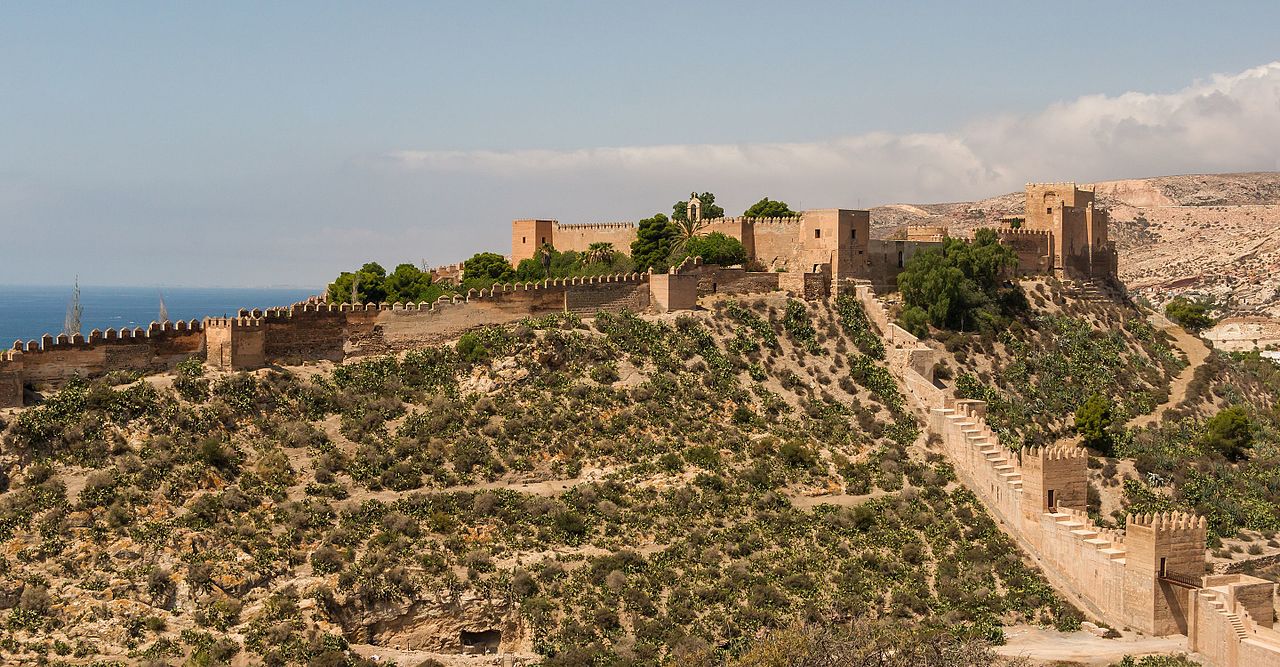
Almería was born as the port of another city. Its first name tied it to Bayyana, today Pechina, of which it was the outlet to the sea and a lookout post. In 955, the caliph Abderramán III made it a medina, surrounded it with walls, and ordered the Alcazaba built on the hill that overlooks the bay. With the taifa kingdoms came its time of splendor. Jayrán expanded the fortress and enclosed the city with a new wall, and in the time of Almotacín the court welcomed writers and scholars. Almería passed to Castile in 1489. A few years later, in September 1522, an earthquake left it almost completely destroyed. On that ruin, Bishop Villalán built a new cathedral, with battlements and towers, also designed as a fortress against attacks from the pirates who came from the sea.
Part two · Learn more
The Alcazaba of Almería has three enclosures. The first two are Muslim: one military, which served as a refuge for the population during sieges, and another with the palace of Almotacín. The third is the castle that the Catholic Monarchs built after the conquest. From the fortress, the Jayrán wall climbs to the San Cristóbal hill. Its square towers are of Arab origin, and the round Christian towers were added in the 12th century. The city's main mosque was the first Christian cathedral, until an earthquake ruined it. The church of San Juan, built on its site, preserves the qibla wall and the mihrab niche, with Almohad decoration. Centuries later, during the Civil War, Almería suffered bombings, including the one by the German fleet in May 1937. To protect the population, the architect Guillermo Langle designed a network of shelters beneath the streets, with kilometers of galleries and even an operating room. In 2001, construction work brought them back to light.