KmdeAudio · Alicante, Spain · Audio story for the road
Dénia
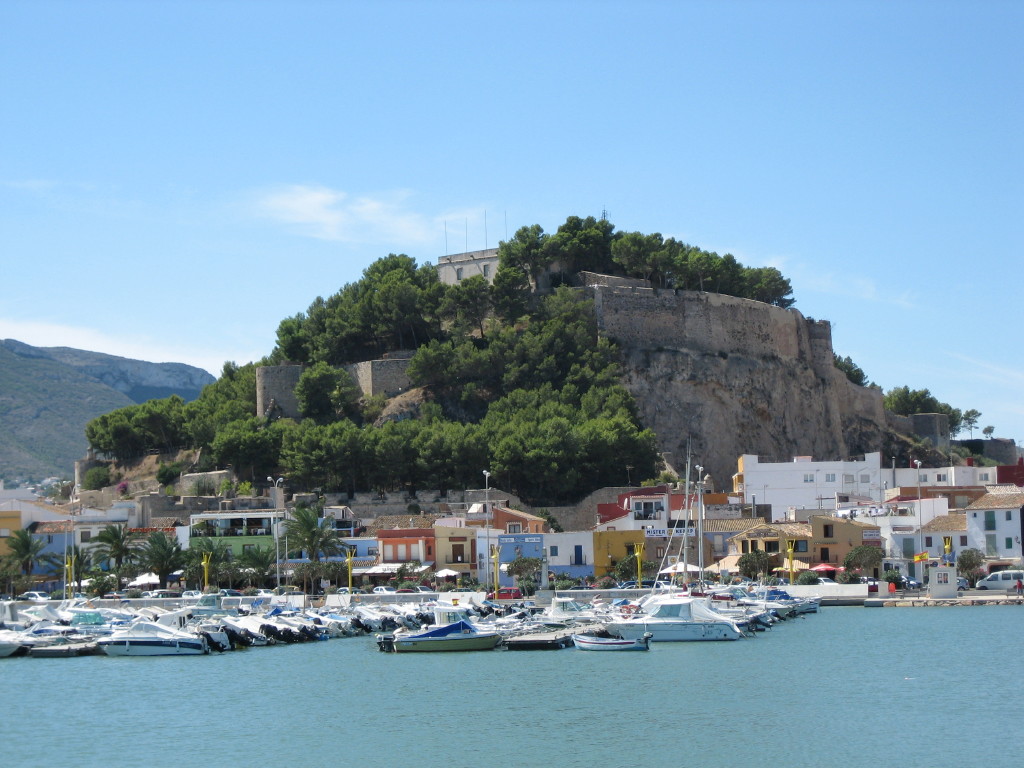
Dénia was the capital of a kingdom that faced the sea. At the start of the 11th century, the warlord Muyahid founded an independent taifa in the old port. It annexed the Balearic Islands and became a major maritime and trading center. Earlier, the Romans called it Dianium, a name that probably recalls the goddess Diana. In 1244, Jaime I incorporated it into the Kingdom of Valencia, and over time it became the seat of the marquisate of the Sandovals. Its fifth marquis, the Duke of Lerma, favorite of Felipe III, won it the title of city in 1612. But those same years left a wound. In 1609, during the expulsion of the Moriscos, thousands of them set sail from the port of Dénia for North Africa, and the marquisate was left without a good part of its residents and its wealth.
Part two · Learn more
Dénia's castle, of Islamic origin, stands on the hill that overlooks the town. It still has the Consell Tower, from the fifteenth century, and the Renaissance bastions that were added for artillery. In the sixteenth and seventeenth centuries, the Duke of Lerma rebuilt the Governor's Palace inside it. The palace and the old walled town were destroyed during the War of the Spanish Succession, at the start of the eighteenth century. In the nineteenth century, the town lived off the raisin trade. Raisins left through its port for foreign markets, and under its shadow a merchant middle class grew up and built warehouses and stately homes. At the beginning of the twentieth century the raisin crisis came, and Dénia looked for other ways forward, such as the toy industry and citrus fruit. Today the town takes pride in its food. In 2015, UNESCO named it a UNESCO Creative City of Gastronomy.