KmdeAudio · Málaga, Spain · Audio story for the road
Málaga
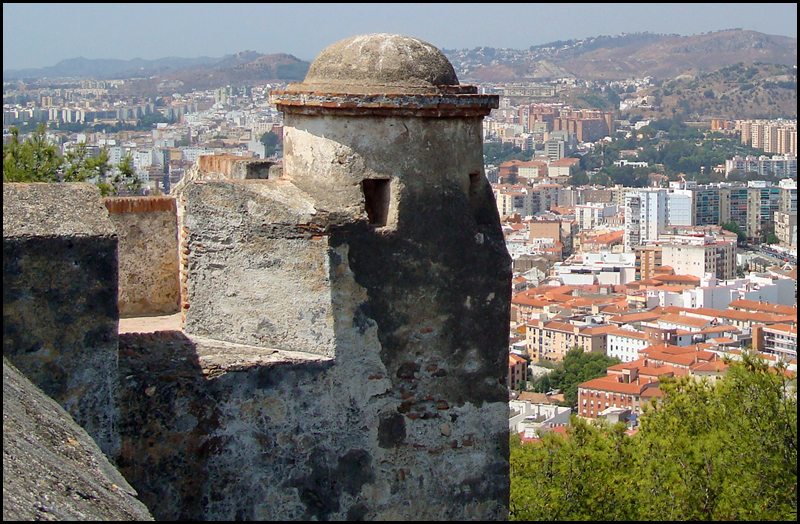
Málaga hid a Roman theater for centuries under its streets. People walked over it every day without knowing it was there. It was built in the time of Augustus, when the city was called Malaca and lived off its port. It stayed buried under houses until roadworks brought it to light in 1951. What's remarkable is that some of its stones never disappeared. Columns and ashlar blocks from the theater ended up in the walls of the Alcazaba, the citadel that the Taifa kingdom of Málaga built in the 11th century on the neighboring hill. Rome, quite literally, holds up al-Ándalus. And the Alcazaba, in turn, sits on top of a Phoenician-Punic fortification, while at its feet the cathedral grew up over the old main mosque. In Málaga, each era has been built on top of the one before. The next one left its mark on a boy born in the Plaza de la Merced in 1881: Pablo Picasso.
Part two · Learn more
The Málaga cathedral took more than two centuries to build and was still left unfinished. Work began in 1528 on the site of the old main mosque, with the apse designed by Diego de Siloé, and the construction was declared finished in 1782 with only one of the two planned towers. The people of Málaga, always witty about these things, gave it an affectionate nickname: La Manquita. Legend has it that the money meant for the second tower was sent to help the independence of the United States. According to historians, those funds were actually used to improve the roads to Vélez and Antequera and to bring water to the city. Part of the planned roof was never completed either, which has caused leaks in the vaults. Its single tower, about 84 metres tall, still defines the skyline of Málaga, and the debate over whether to finish it or leave it as it is has been going on for more than two centuries.