KmdeAudio · Porto, Spain · Audio story for the road
Porto
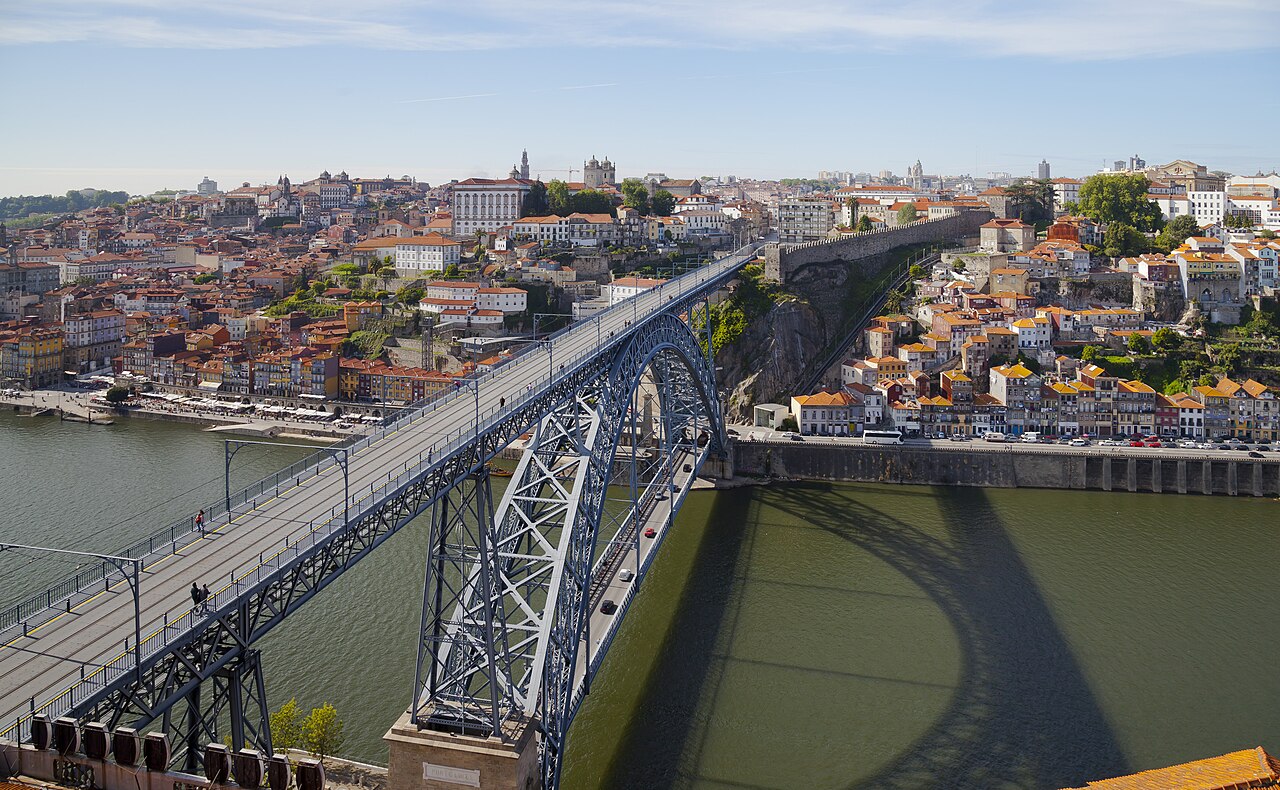
Porto was a port before it was anything else, and its name gave the country its name. In Roman times the city was known as Cale or Portus Cale, and the name Portugal derives from it. The original settlement grew up on the Sé hill, above the Douro, and the cathedral still stands there, begun in the 12th century. Around 1370 the Fernandine Wall was completed. It was about 2,600 metres in perimeter and enclosed the medieval city, and some stretches of it survive. Centuries later, between 1832 and 1834, during the civil war between liberals and Miguelists, the city endured a long siege. The old town, with the Ribeira right beside the river, the Clérigos Tower and the Luís I Bridge, whose two iron decks span the Douro, has been a UNESCO World Heritage Site since 5 December 1996.
Part two · Learn more
The cathedral holds a piece of Portugal's history: it was there that King John I and Philippa of Lancaster were married in 1387. The Baroque galilee on its side façade dates from the 18th century and is the work of Nicolau Nasoni, the Tuscan architect who left his mark on much of the city. Nasoni also designed the Clérigos Tower, 75 metres tall with 225 steps, built between 1754 and 1763 next to the brotherhood's church. São Bento station, designed by José Marques da Silva, was officially opened on 5 October 1916. Its entrance hall is covered with about 551 square metres of azulejo tiles by Jorge Colaço, installed in 1905 and 1906. And the Luís I Bridge opened on 31 October 1886, designed by the engineer Théophile Seyrig.